Effective communication is vital for the success of micro task projects, where collaboration, prompt feedback, and clarity are paramount. Micro tasks often involve multiple contributors, necessitating a cohesive approach to sharing information and expectations. By implementing strategic communication techniques, teams can avoid misunderstandings, improve productivity, and ensure that project goals are met efficiently. This article explores essential communication strategies that can enhance teamwork in micro task projects, outline best practices, and offer actionable tips for successful interactions.
Establish Clear Objectives
Setting clear objectives is foundational in micro task projects. When team members understand the project’s goals, they can align their efforts accordingly. Clearly defined objectives provide a roadmap, helping individuals prioritize tasks effectively. Using the SMART criteria—Specific, Measurable, Achievable, Relevant, Time-bound—can further enhance goal clarity. This clarity fosters accountability and ensures everyone is on the same page, which significantly reduces the risk of errors and miscommunication.
Utilize Project Management Tools
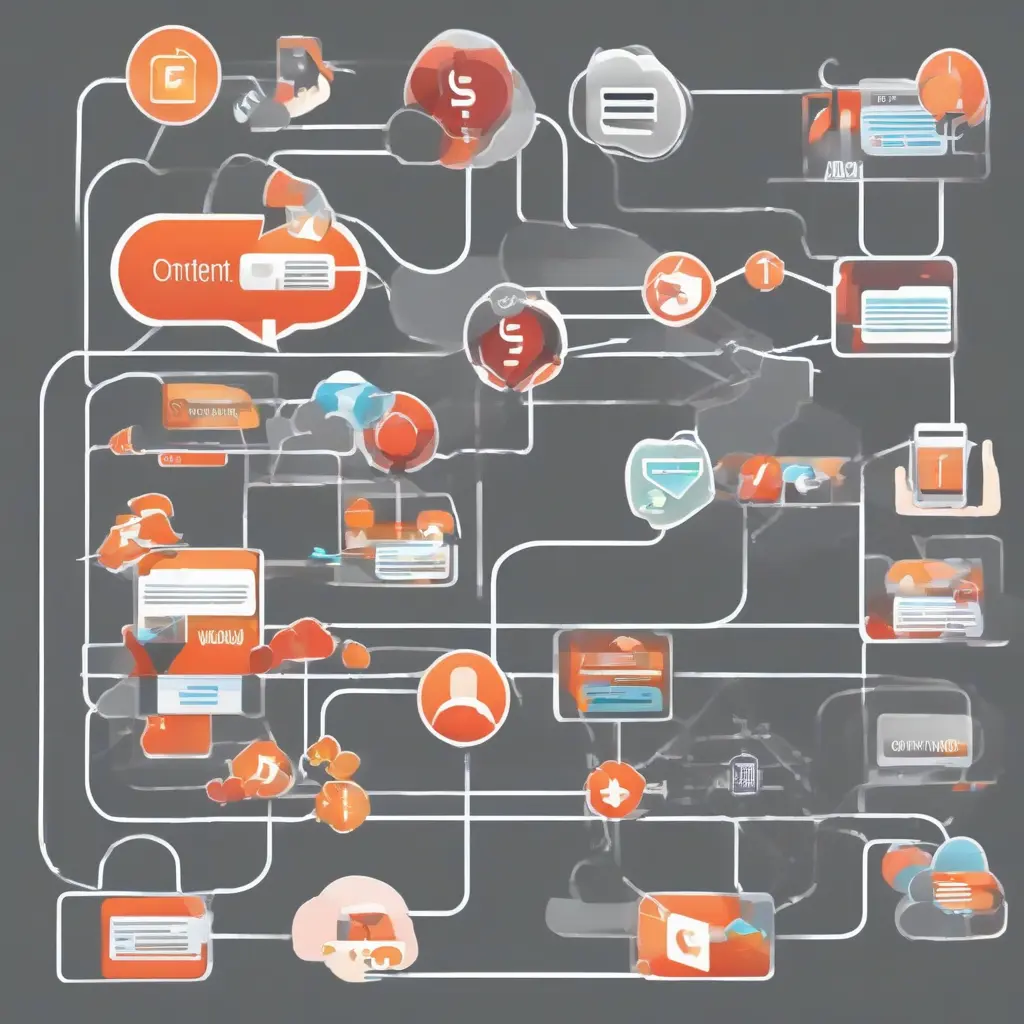
Project management tools are indispensable in micro task environments. Platforms like Trello, Asana, or ClickUp facilitate seamless communication among team members while tracking progress on various tasks. These tools offer features such as task assignments, deadline reminders, and comment sections for direct feedback, which enhances clarity and collaboration. By leveraging these technologies, teams can maintain transparency regarding individual contributions and overall project status, leading to increased efficiency and reduced confusion.
Encourage Open Feedback
Encouraging open feedback cultivates a positive communication culture within micro task projects. Team members should feel comfortable sharing constructive criticism and suggestions for improvement. Regular feedback sessions, such as bi-weekly reviews, can provide a structured time for this exchange. By embracing a mindset of continuous improvement, teams can adapt their strategies, address any challenges swiftly, and foster an environment where everyone is motivated to enhance their contributions.
Define Roles and Responsibilities
Clearly defining roles and responsibilities in micro task projects is crucial for organizational success. When team members are aware of their specific duties, it reduces overlaps and confusion, enhancing efficiency. A well-structured approach can prevent conflicts and allow individuals to focus on their assigned tasks. This clarity also aids in accountability, as members know who is responsible for what, which streamlines communication about who to approach for specific issues or questions.
Leverage Visual Communication
Visual communication enhances understanding and retention in micro task projects. Incorporating infographics, diagrams, or flowcharts can simplify complex information, making it easier for team members to grasp essential concepts quickly. Visual aids can serve as reference points that clarify tasks’ dependencies and processes, facilitating smoother project execution. This method can significantly reduce misunderstandings, leading to quicker resolutions and enhanced productivity.
Foster a Collaborative Environment
Creating a collaborative environment is vital for the successful execution of micro task projects. Encourage teamwork by facilitating collaboration opportunities, such as brainstorming sessions and group discussions. These interactions can spark creativity and innovation, leading to more effective solutions. A supportive environment where team members are encouraged to collaborate fosters trust and camaraderie, which can enhance both communication and project outcomes, ultimately contributing to higher satisfaction levels among team members.
Train for Effective Communication Skills
Training team members in effective communication skills can significantly improve interactions in micro task projects. Workshops focusing on techniques for active listening, clear writing, and constructive feedback can elevate the overall communication standard within the team. Investing in communication training not only enhances individual skills but also contributes to a more productive and harmonious team dynamic. As members become more skilled communicators, misunderstandings decrease, leading to a smoother workflow and improved project results.
Utilize Follow-Up Techniques
Follow-up techniques are essential for maintaining momentum in micro task projects. Regular check-ins and progress updates help ensure that everyone is aligned and on track to meet their deadlines. Utilizing methods like brief daily or weekly stand-up meetings can create opportunities for team members to share status updates and challenges they may face. These follow-ups enhance accountability and provide a platform for immediate conflict resolution, ultimately contributing to smoother project execution.
Embrace Cultural Sensitivity
In today’s global work environment, embracing cultural sensitivity is critical for effective communication in micro task projects. Team members often come from diverse backgrounds, which can influence their communication styles and work ethics. Being aware of these differences fosters respect and better understanding among team members. Encourage conversations about cultural diversity and promote practices that facilitate inclusion. This approach enhances team cohesion and allows for a richer exchange of ideas, leading to innovative outcomes.
Apply Conflict Resolution Strategies
Conflict resolution strategies are essential in navigating disagreements that may arise during micro task projects. Establishing a clear process for resolving conflicts—such as mediation or open discussions—can help address issues promptly. Encouraging team members to approach conflicts with an open mind promotes a culture of understanding. This adept handling of disagreements not only minimizes disruptions but also strengthens relationships as team members work collaboratively toward a common goal.
Conclusion
Effective communication techniques are essential for the success of micro task projects. By establishing clear objectives, utilizing the right tools, and fostering an open environment, teams can enhance their collaboration and productivity. Training team members in communication skills and embracing diversity further enriches this process. Adopting these strategies will not only improve project outcomes but also create a more satisfying and effective work environment for all participants.