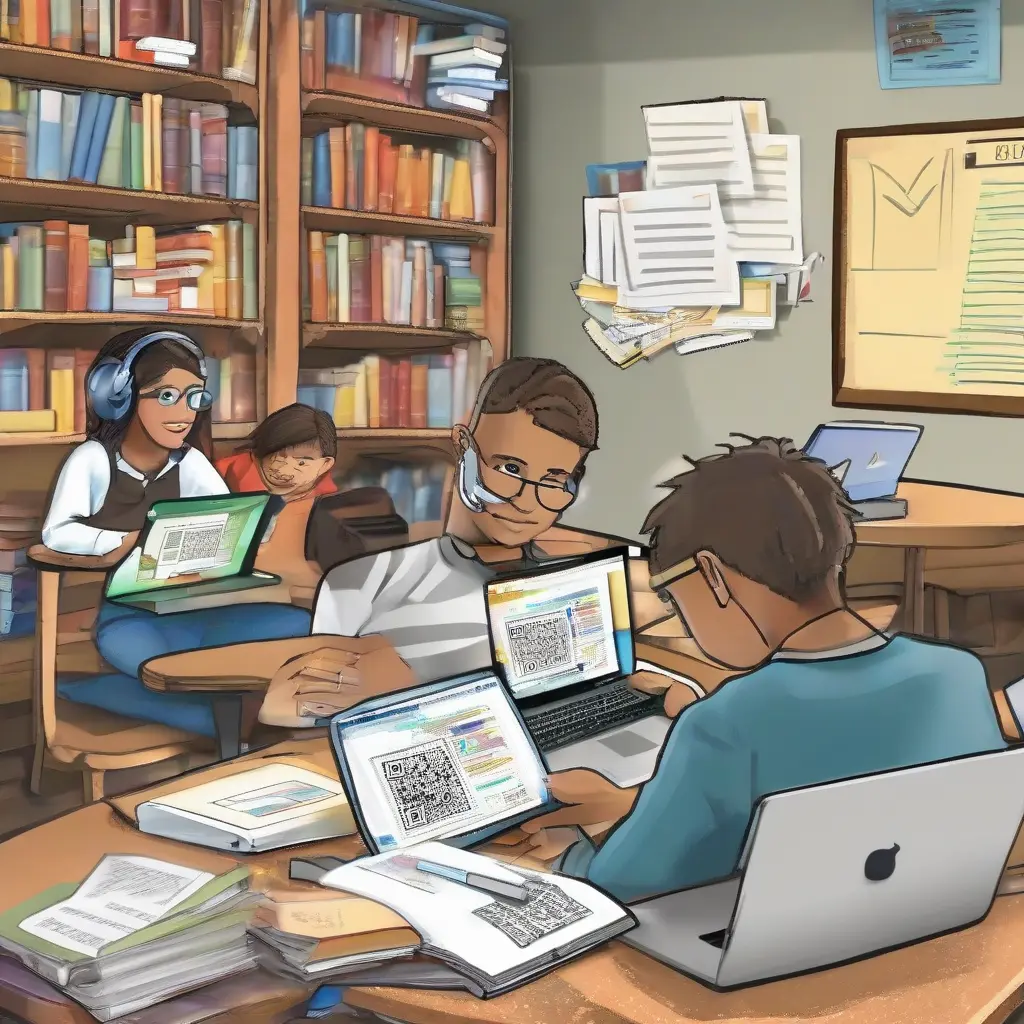
Digital literacy plays a crucial role in maximizing success with micro tasks, as it equips individuals with the necessary skills to navigate various online platforms effectively. In today’s digital world, the ability to understand and utilize technology is fundamental for efficiency and productivity. Micro tasks, which are small, easily manageable activities often conducted online, require a good grasp of digital tools to optimize performance. By enhancing one’s digital literacy, individuals can improve their task completion rates, reduce errors, and ultimately increase their earning potential in the gig economy.
Understanding Digital Literacy
Digital literacy encompasses the skills needed to access, analyze, and create information using digital technology. It includes the ability to navigate websites, utilize applications, and critically evaluate online content. In a world increasingly reliant on technology, not only is being digitally literate a desirable skill, but it is also becoming a necessity. Understanding digital literacy enables individuals to engage effectively with micro tasks, providing them with a competitive edge in a crowded marketplace.
The Significance of Micro Tasks
Micro tasks refer to small, specific jobs that can be completed quickly, often via digital platforms that connect taskers with employers. These can include data entry, image tagging, market research, and other short tasks that help businesses operate efficiently. The rise of the gig economy has made micro tasks increasingly popular, giving individuals flexible opportunities to earn money online. By mastering digital literacy, workers can take advantage of these opportunities more effectively and increase their likelihood of success.
Essential Digital Skills for Micro Tasks
Key digital skills pivotal for mastering micro tasks include proficiency in common software, understanding of online collaboration tools, and familiarity with data privacy measures. For instance, knowledge of programs like Excel and Google Suite facilitates quick data manipulation and project management. Furthermore, an understanding of communication tools such as Slack or Zoom enhances collaboration with teams scattered across different locations. These skills not only streamline the task process but also ensure compliance with online protocols.
Overcoming Common Digital Barriers
Many individuals encounter challenges when attempting to engage with micro tasks, often due to a lack of digital skills. Common barriers include unfamiliarity with platforms, difficulty in navigating websites, or even concerns about technology use. Addressing these obstacles can be achieved through targeted training and resources that enhance digital literacy. Online courses, tutorials, and community workshops can significantly improve an individual’s confidence and ability to perform micro tasks efficiently.
Leveraging Online Resources for Learning
Various online resources can help individuals improve their digital literacy, especially concerning micro tasks. Platforms like Coursera, LinkedIn Learning, and Khan Academy offer courses specifically focused on digital skills relevant to freelancers and gig workers. Additionally, user-generated content on platforms like YouTube provides bite-sized tutorials on specific task-related skills, enabling learners to acquire knowledge at their own pace. Leveraging these resources can empower individuals to enhance their efficacy in completing micro tasks.
The Impact of Digital Literacy on Job Opportunities
Enhancing digital literacy can significantly widen job opportunities in the micro task sector. Employers often seek candidates who can quickly adapt to new technologies and demonstrate digital competency. By showcasing digital literacy skills on profiles for platforms like Upwork or Fiverr, individuals can attract more clients and improve their chances of landing more significant tasks. This increased visibility translates to potential earnings and consistent work, making it essential to prioritize digital skill development.
Building a Digital Literacy Plan
Creating a structured digital literacy plan can streamline an individual’s path to mastering necessary skills for micro tasks. This plan should include identified goals such as specific digital skills to learn, timelines for completion, and assessment methods. By setting clear milestones, individuals can stay motivated and track their progress. Incorporating practical applications of these skills through real-world micro tasks can also reinforce learning and ensure mastery.
Embracing Continuous Learning
In the rapidly evolving digital landscape, continuous learning is vital for maintaining and enhancing digital literacy. Technologies and platforms change regularly, necessitating knowledge updates to stay relevant. Individuals should embrace a mindset of lifelong learning, regularly seeking out new information and skills through workshops, online courses, and forums. This proactive approach ensures continued success in micro tasks and helps individuals keep pace with industry trends and technological advancements.
Utilizing Feedback to Improve Skills
Receiving constructive feedback is an invaluable aspect of skill improvement. In the context of micro tasks, feedback can come from clients, peers, or even automated systems on task performance. Actively seeking feedback and using it to refine skills not only enhances task effectiveness but also builds a reputation as a reliable task performer. This practice encourages growth and adaptation, making it easier to tackle more complex micro tasks over time.
Conclusion
Digital literacy is pivotal for maximizing success with micro tasks, as it equips individuals with the essential skills needed to function effectively in a digital workspace. By understanding digital concepts and pursuing continuous improvement, individuals can navigate platforms effortlessly, optimize their task completion, and capitalize on job opportunities. In a dynamic job market, investing in digital literacy not only enhances one’s skills but also promotes long-term career sustainability in the ever-growing field of micro tasks.