The integration of artificial intelligence (AI) in micro tasking has garnered significant attention in recent years. As organizations increasingly rely on AI to perform smaller, specialized tasks, the landscape of work is evolving. This shift presents unique challenges and opportunities for human workers. While AI can enhance efficiency and reduce costs, it also raises concerns about job displacement and the future of work. Understanding the implications of AI in micro tasking is crucial for both employers and employees to navigate this changing environment.
What is Micro Tasking?
Micro tasking refers to breaking down larger tasks into smaller, manageable components that can be completed quickly and efficiently. These tasks are often facilitated through online platforms where individuals can offer their services or complete specific assignments in exchange for compensation. Examples include data entry, image tagging, and simple surveys. The rise of digital platforms has accelerated the growth of micro tasking by making it accessible to a global workforce, allowing businesses to tap into diverse talent pools.
The Role of AI in Micro Tasking
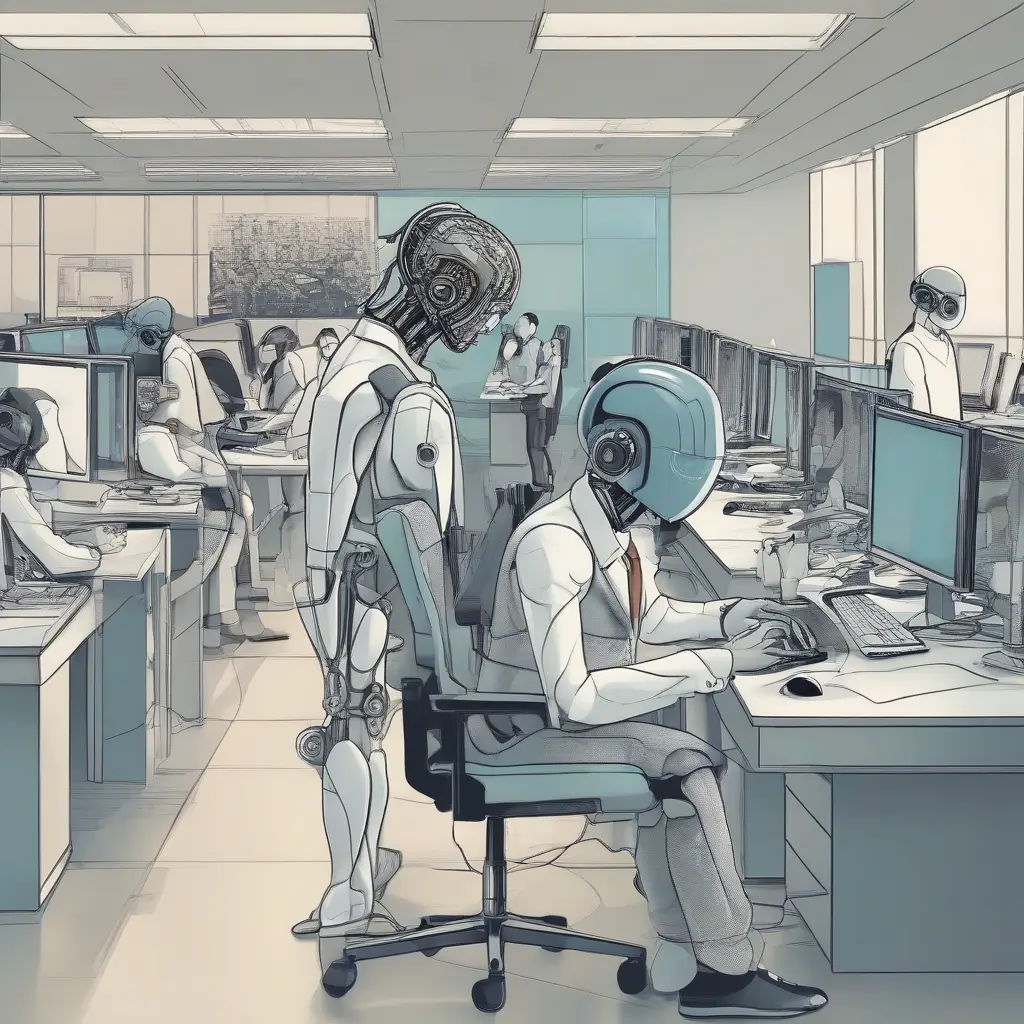
AI technologies, including machine learning and natural language processing, play a fundamental role in optimizing micro tasking. These technologies can automate routine tasks, analyze vast datasets, and enhance decision-making processes. By employing AI, companies can efficiently assign tasks, monitor performance, and analyze results. This not only streamlines operations but also allows human workers to focus on more complex and creative aspects of their jobs, enabling a more productive work environment.
Benefits of AI for Businesses
For businesses, the integration of AI in micro tasking comes with numerous benefits. Firstly, it enables increased efficiency, as AI can perform repetitive tasks rapidly and accurately. This results in reduced operational costs and higher productivity levels. Additionally, AI can provide valuable insights through data analysis, allowing businesses to make data-driven decisions. Furthermore, with AI handling mundane tasks, employees can concentrate on innovation and strategic initiatives, driving overall growth and competitiveness.
Impact on Human Workers
The introduction of AI in micro tasking has profound implications for human workers. While AI can enhance job efficiency, it also raises concerns about job security as automation replaces certain roles. Workers may find their tasks becoming obsolete or require reskilling to adapt to new technologies. However, this shift also presents opportunities for workers to take on more complex, meaningful work, fostering a demand for skills in technology, analysis, and creativity. Understanding this balance is crucial for future job markets.
Reskilling and Upskilling for the Future
As AI continues to shape the micro tasking landscape, reskilling and upskilling become essential for workers. Companies must invest in training programs that equip employees with the skills needed to thrive in a technology-driven environment. This includes knowledge of AI systems, data analysis, and problem-solving capabilities. By prioritizing continuous learning, both organizations and workers can adapt to the evolving demands of the job market, positioning themselves for long-term success in the face of automation.
Ethical Considerations in AI Implementation
The implementation of AI in micro tasking raises several ethical considerations that businesses must address. Issues such as job displacement, data privacy, and the transparency of AI algorithms are increasingly important. Companies should develop clear ethical guidelines and engage with stakeholders to ensure responsible AI use. Establishing a balance between technological advancement and ethical responsibility is vital to fostering trust and ensuring that the benefits of AI are shared equitably among all parties involved.
The Future of Micro Tasking and AI
Looking ahead, the future of micro tasking will likely see a greater integration of AI technologies. As AI continues to evolve, it may become more proficient at handling tasks that currently require human input. This could lead to the emergence of new micro tasks tailored for AI, creating an ever-changing job landscape. Workers will need to remain adaptable, continuously updating their skills to stay relevant. Ultimately, fostering collaboration between AI technologies and human workers can create a thriving work environment.
Conclusion
The rise of AI in micro tasking heralds a transformative era for human workers, offering both challenges and opportunities. While the prospect of job displacement looms, reskilling and adapting to new technologies can empower workers to embrace the future. By prioritizing ethical considerations and continuous learning, businesses and employees can navigate the evolving landscape together, ensuring a productive and equitable work environment.